Object typeResidential
Completion dateQ3 2027
DeveloperPanah Construction
Total areafrom 54 m² to 302 m²
Down Payment6 617 $
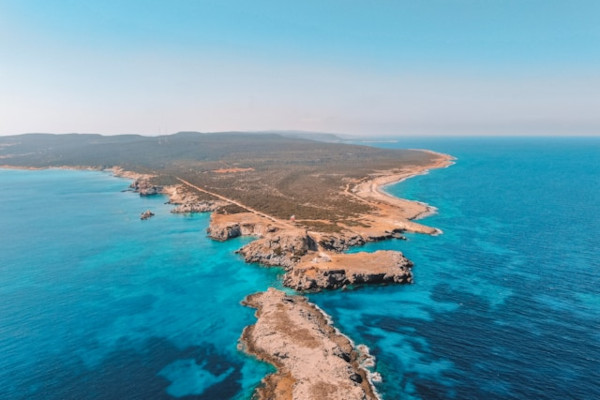
Cyprus is an island with a rich and layered history, where cultures, dynasties, and trade routes have intersected. Its strategic location in the Mediterranean has made it a center of economic and cultural life for centuries. From Hellenistic cities to British colonial infrastructure, Cyprus has always been a bridge between East and West. Today, studying the island's history helps understand how different civilizations have left their mark on its architecture, culture, and economy.
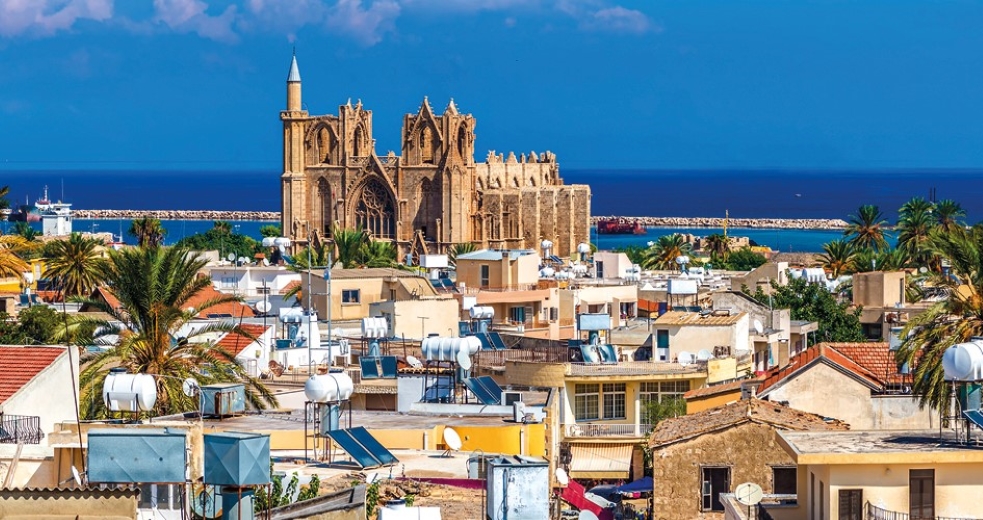
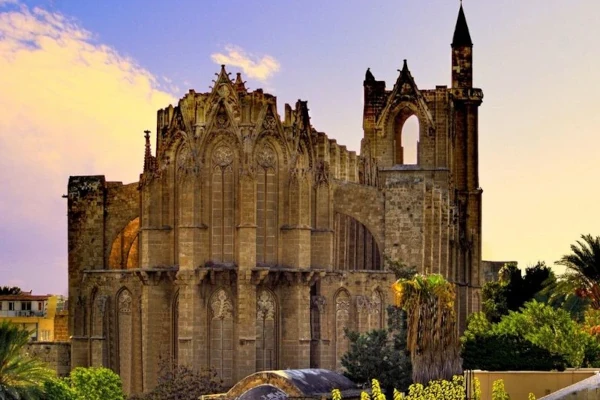
The Hellenistic period in Cyprus began in 323 BC, when, after the conquests of Alexander the Great, the island came under the rule of the Ptolemaic dynasty. At that time, Cyprus became an important source of copper and a key trading hub in the Mediterranean. The first capital of the island was the city of Salamina, located near modern Famagusta, which became a symbol of the new state structure.
As early as the 9th century BC, Cyprus was colonized by the Phoenicians, which gave a powerful impetus to the development of cities and maritime trade. The Cypriot fleet quickly gained fame, and the island's trade links spread throughout the Eastern Mediterranean and Europe, securing its status as an important maritime center.
After the conquest of Egypt in 525 BC, Cyprus became a vassal territory of the Persian Empire under the rule of the Achaemenids. Persian rule ended during the reign of Alexander the Great, after which, from the 320s BC, the island came under the control of the Egyptian kings. This period was accompanied by instability and rebellions until 30 BC, when the Romans established their rule, ushering in a more peaceful phase in the island's history and beginning the spread of Christianity.
The Byzantine period proved to be difficult: in the 7th century, Cyprus was conquered by the Arabs, and joint Arab-Byzantine rule was established on the island. This period ended in 1191 when the region was conquered by Richard the Lionheart and then transferred to the Knights Templar. Soon, power passed to the Lusignan dynasty, who focused on trade development.
The 14th century saw the beginning of an active trade boom: the island became a key port hub between Europe and Asia. In the first quarter of the 14th century, it began to pay tribute to the Egyptian emperor, and in 1385, power passed to Venice. Despite internal instability, it was during this period that Cyprus actively exported salt, a strategically important commodity of its time, which attracted the attention of the Ottoman Empire.
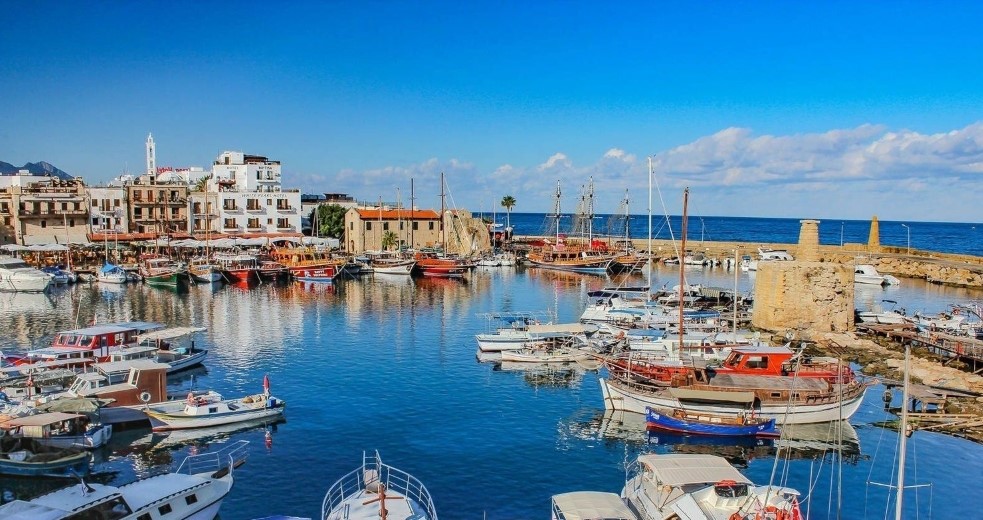
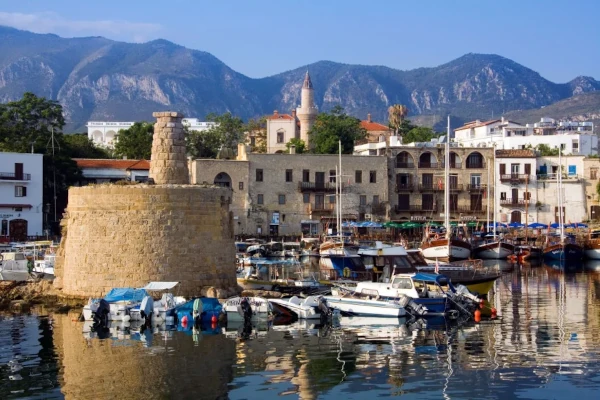
Between 1570 and 1573, Ottoman troops captured Nicosia, Kyrenia, and Famagusta, establishing Turkish Cypriot rule on the island. The Ottoman dynasty ruled until the empire weakened, after which Cyprus was transferred to the British Crown. A new phase of development began in 1878: the British actively invested in trade, infrastructure, and tourism, transforming the island into an important economic center and laying the foundation for its modern financial system.
Conclusion
The history of Cyprus is one of constant change, with each era reinforcing its importance in international trade and politics. From the Hellenistic world to the British Empire, the island has always been a link between continents. It is this rich and multi-layered past that has shaped Cyprus as a strategically important and economically significant region, whose role is still felt today.
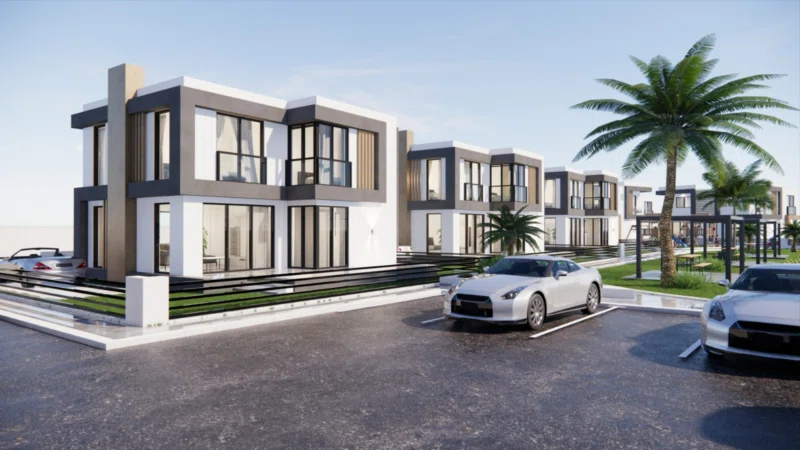
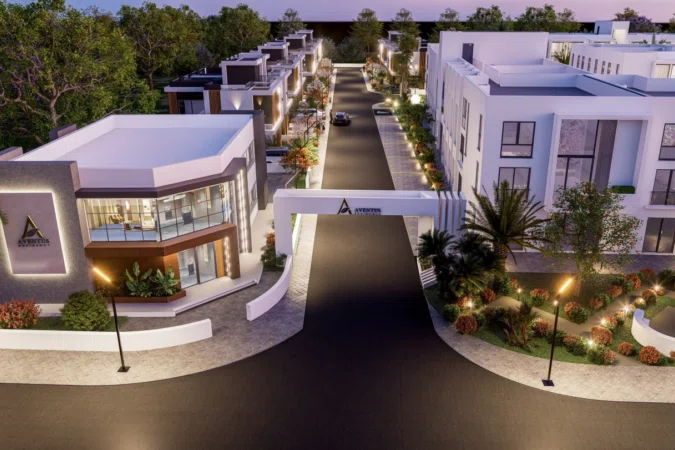
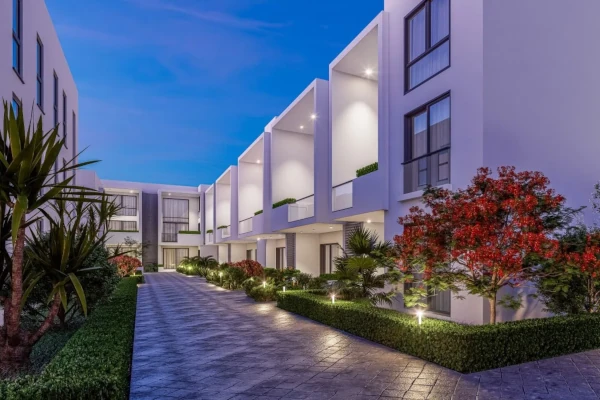
Aventus Residence is a low-rise residential complex offering an atmosphere of tranquility, comfort, and privacy. The residences are offered with finished interiors. A shuttle service to the beach is provided. The complex's infrastructure includes a gym, tennis court, children's playground and basketball court, walking paths, heated swimming pool, sauna, spa, lounge areas, barbecue terrace, restaurant, bar, cinema, and more. The beach is a 10-minute walk away, the center of Iskele is 5 minutes away by transport, and Famagusta is 15 minutes away. The drive to Ercan International Airport takes 40 minutes.
Price: from $162 028
Handover: Q3 2027
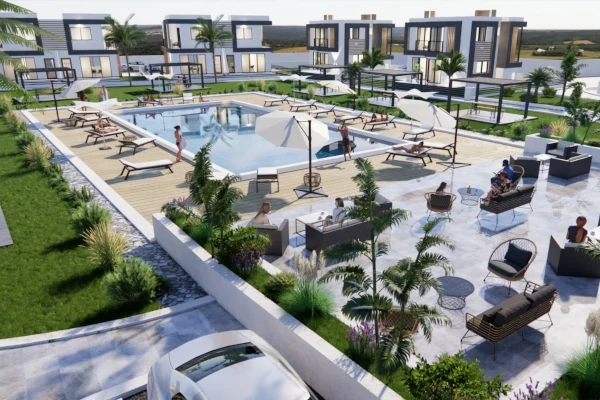
Bella Mare Villas is a cozy residential complex that combines natural harmony and a high level of comfort. Residents have access to spacious landscaped areas and green gardens, a playground and recreation areas for the whole family, a swimming pool with sun loungers and cozy gazebos, and more. Iskele Long Beach is 5 minutes away, Iskele is 10 minutes away, and Famagusta is 20 minutes away. The drive to Ercan International Airport takes 45 minutes.
Price: from $224 850
Handover: Q3 2027
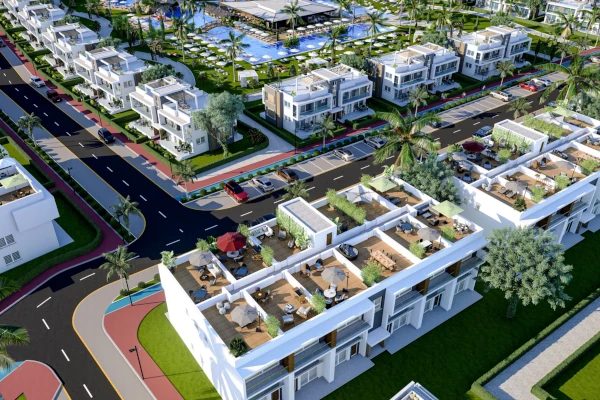
Four Seasons Life III is a premium residential complex where thoughtful design blends seamlessly with the natural surroundings. High-quality materials have been used in the finishing of the residences: ceramics and wood-textured laminate flooring, granite. The complex's infrastructure includes a children's playground and sports ground, walking and cycling paths, a seawater swimming pool, an amphitheater-style lounge area, a bar, a café, and more. Pharmacies, supermarkets, and restaurants are located within a 5-10 minute radius. Famagusta is 15 minutes away, and Nicosia is 45 minutes away. The drive to Ercan International Airport takes 50 minutes.
Price: from $183 968
Handover: Q4 2026