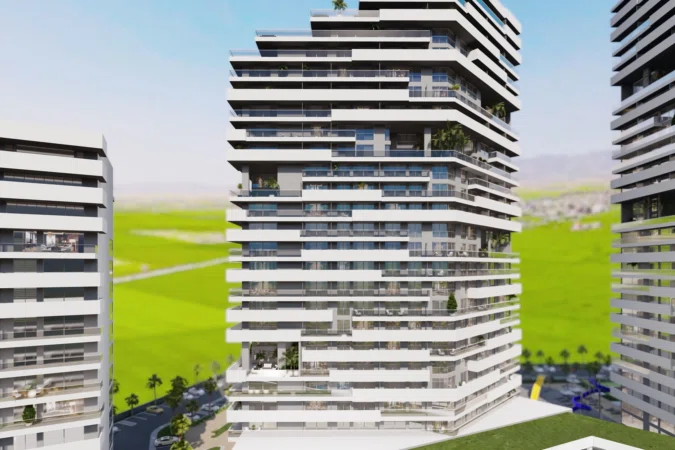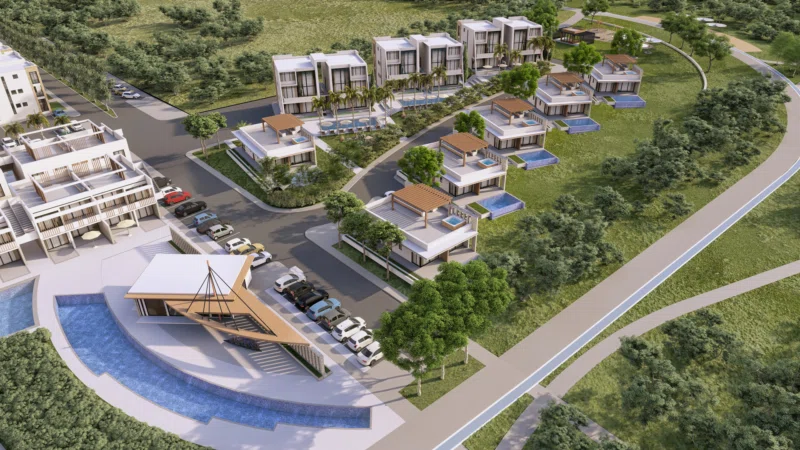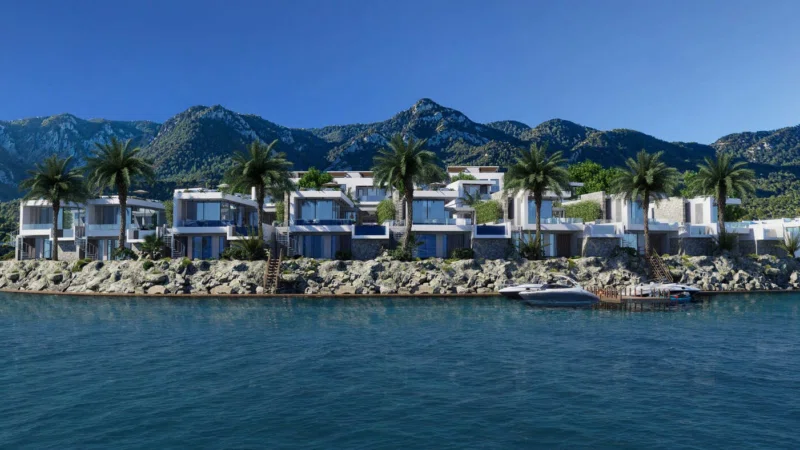
Object typeResidential
Completion dateQ2 2027
DeveloperDöveç Construction
Total areafrom 87 m² to 380 m²
Down Payment35%
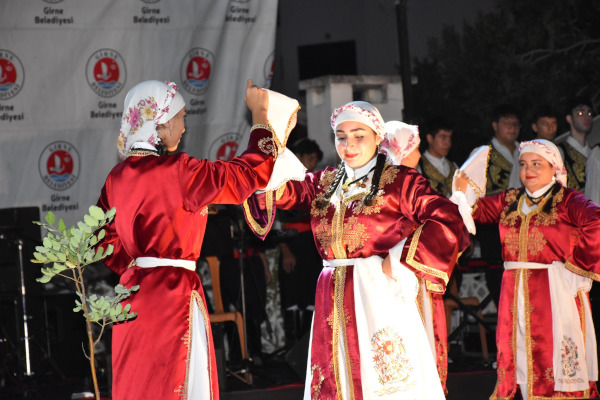
TRNC has a vibrant cultural scene, with numerous festivals taking place throughout the year. These events bring together culinary traditions, folk crafts, music, and art, offering a deeper understanding of the region’s cultural heritage and the way of life of its people.
Events related to agriculture and traditional cuisine hold a special place in the festival culture.
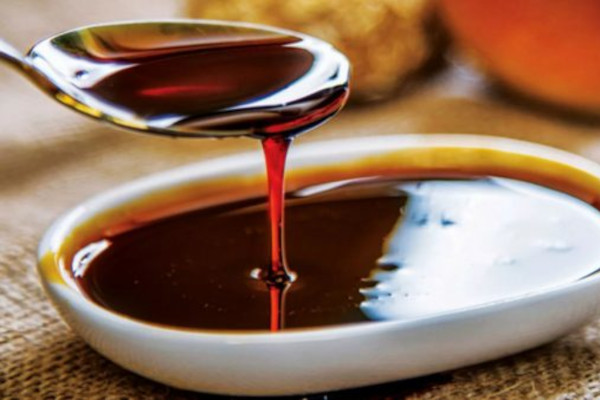
For example, the Pekmez Festival (a syrup made from carob fruit) introduces guests to ancient culinary traditions. For centuries, it has been an important part of the local diet. Historically, pekmez was used as a natural source of energy and a sugar substitute, especially in rural areas.
The festival originated as a seasonal event tied to the carob harvest. Over time, it evolved into a cultural celebration showcasing traditional methods of making the syrup, passed down from generation to generation. Today, the festival features food tastings and performances by local groups.
One of the biggest events is the Olive Festival in Zeitenlik. Its history is closely tied to the cultivation of olive trees, which have been a symbol of the region and the backbone of the local economy for thousands of years.
Originally, it was a harvest festival celebrating the fruits of the season. Over time, it has evolved into a major cultural event featuring market stalls, tastings, and concerts.

Festivals dedicated to seasonal harvests are also popular, such as the Asparagus Festival in Akdeniz and the Wild Pear Festival. These events create the atmosphere of a traditional rural festival with street food, music, and fairs.
Festivals dedicated to preserving folk crafts and local natural charm form a distinct category.
The Mulberry Silkworm Festival reflects an important stage in the region’s economic history. In the past, silk production played a significant role in the island’s life, and silk manufacturing was a major industry linked to the trade routes of the Eastern Mediterranean.
The festival originated as a way to preserve knowledge about silkworm breeding and silk production. Today, visitors can see traditional methods of processing cocoons and handmade crafts, and learn about the history of a craft that has gradually lost its industrial significance but has been preserved as cultural heritage.
The Orchid Festival has more modern origins, but is rooted in a desire to preserve the region’s unique flora. The wild orchids of the TRNC are rare and protected plants, making them a symbol of the island’s natural wealth.
The event aims to raise environmental awareness and promote a respectful attitude toward nature. The festival features guided tours, exhibitions, and educational programs.
Folk festivals play a significant role in the development of TRNC, helping to attract tourists, support local producers and craftsmen, and preserve cultural traditions. They are accompanied by concerts, dance performances, and fairs, which attract both residents and tourists, fostering an atmosphere of hospitality, reflecting the region’s unique character, and serving as a key factor in promoting it on the international stage.